
Services
PRP Treatments
PRP for Hair Restoration, PRP Face Lifting
Introduction to PRP Treatments
Platelet-rich plasma (PRP) is a regenerative therapy that uses the patient’s own blood to harness concentrated platelets and growth factors for healing and rejuvenation. At ZBeaute Aesthetics, we offer PRP protocols for hair restoration and facial rejuvenation (PRP face lifting). PRP is valued for its autologous nature—since the material is derived from the patient’s blood, the risk of allergic reaction is minimal, and the therapy promotes natural tissue regeneration and improved function.
Why PRP Matters
PRP leverages the body’s natural healing mechanisms. Platelets release growth factors that stimulate collagen production, angiogenesis (formation of new blood vessels), and cellular proliferation. This makes PRP an effective adjunct in stimulating dormant hair follicles and boosting skin quality when used for face lifting or together with microneedling. PRP often integrates into multi-modality plans to accelerate and enhance outcomes without introducing foreign materials.
PRP for Hair Restoration — How It Works
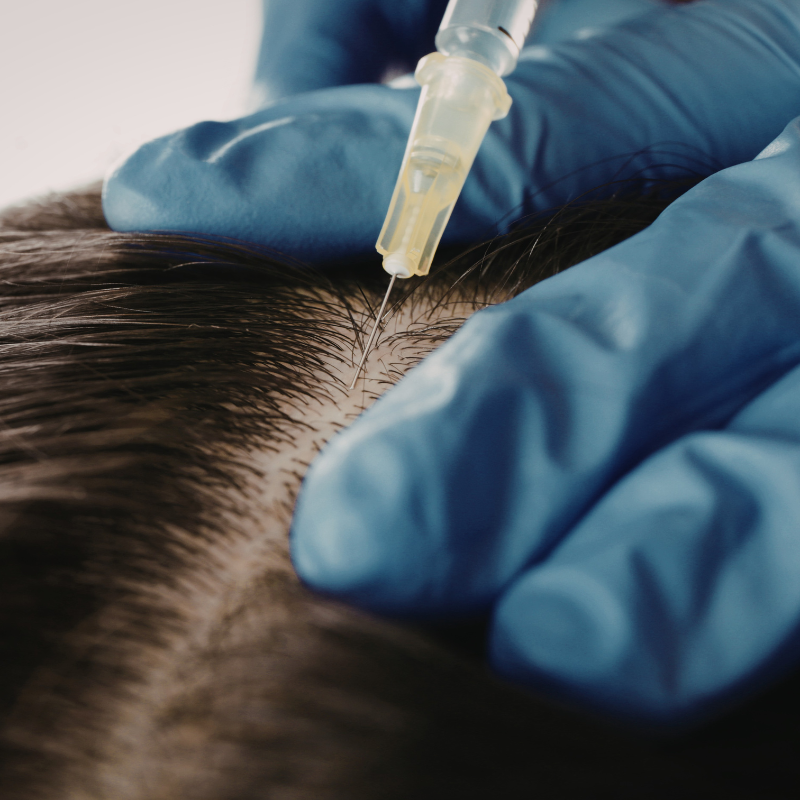
Procedure Overview
- Blood Draw: A small amount of the patient’s blood is drawn under sterile conditions.
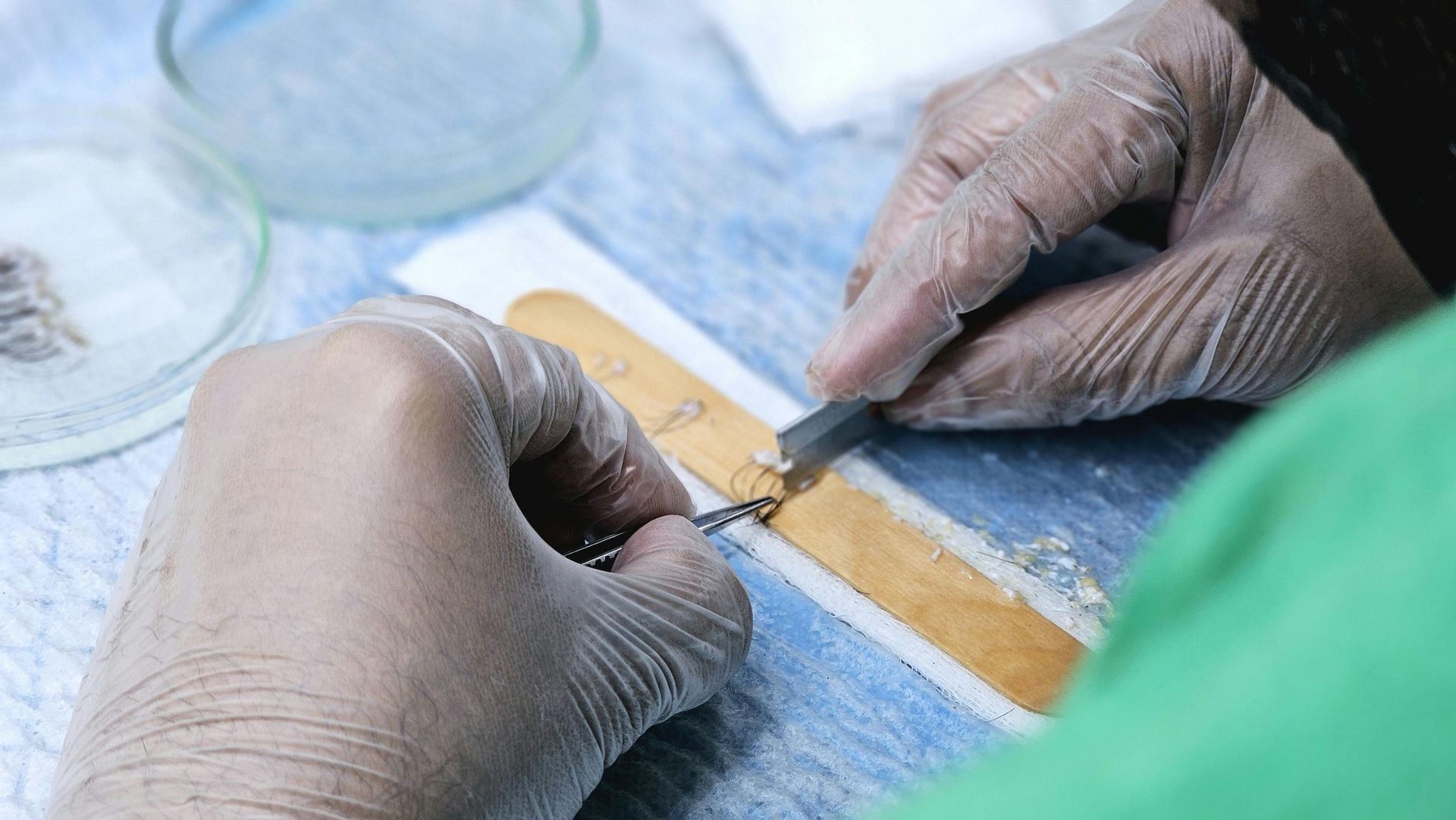
- Centrifugation: Blood is processed to concentrate platelets into plasma.
- Activation and Injection: The platelet-rich plasma is injected into the scalp targeting affected areas or combined with microneedling to enhance penetration.
Mechanism of Action
PRP delivers growth factors (e.g., PDGF, VEGF, TGF-beta) directly to the scalp to stimulate hair follicle cells and support vascular supply. It may shift hair follicles from the dormant (telogen) phase back into an active growth (anagen) phase.
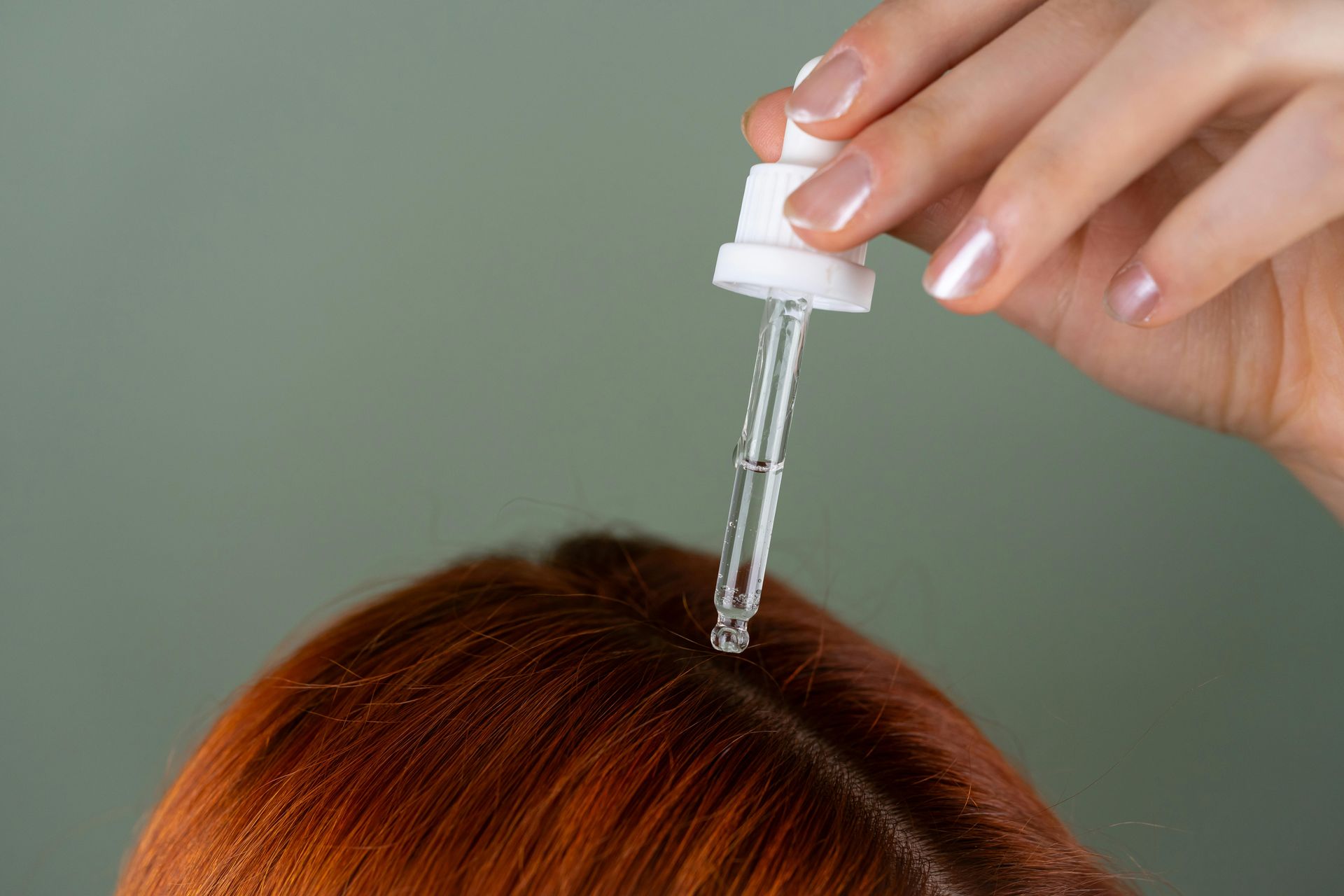
Candidate Selection
Ideal candidates include those with early to moderate androgenetic alopecia, diffuse thinning, or patients seeking to strengthen existing hair. People with advanced scarring alopecia or certain systemic conditions may not be ideal candidates; a comprehensive medical history determines suitability.
Expected Treatment Course and Results
Typical protocol: Series of treatments (commonly 3–6 sessions) spaced 4–6 weeks apart for initial course, followed by maintenance sessions every 3–6 months depending on response.
Results: Many patients notice increased hair thickness, improved fullness, and reduced shedding within 3–6 months. Results vary by individual and adherence to follow-up.
PRP Face Lifting — How It Works
Procedure Overview
- Blood Draw: Similar initial steps to hair PRP.
- Preparation: PRP is prepared and either injected into areas of volume loss, applied topically after microneedling, or used in combination injections to stimulate tissue remodeling.
- Focus areas: Periorbital region, cheeks, jawline, perioral lines, and areas of laxity or sun damage.
Mechanism of Action
PRP promotes collagen and elastin synthesis, improves microcirculation, and enhances epidermal thickness, contributing to firmer, more youthful-looking skin.
Expected Outcomes
Gradual improvement in skin texture, firmness, brightness, and decreased fine lines over several months. Often best results occur when PRP is used as a series and combined with other treatments like microneedling or bio revitalization.
Benefits of PRP Compared to Other Modalities
- Autologous: Lower risk of immune reactions or rejection.
- Natural regenerative stimulus: Works with bodily processes rather than relying solely on synthetic fillers.
- Versatile: Can be used on the scalp, face, neck, décolletage, and even combined with surgical procedures.
Safety and Side Effects
Common side effects: Mild swelling, redness, tenderness at injection sites; typically resolve within a few days.
Rare risks: Infection, hematoma, or local tissue irritation. We use sterile technique and careful patient screening to minimize risks.
Contraindications: Blood disorders, active infections, certain autoimmune diseases, or use of anticoagulants may preclude PRP. Full medical screening is performed.
Combination Therapies and Optimization
PRP is often most effective when used in combination: PRP + Microneedling (amplifies collagen), PRP + Topical Protocols (enhances healing), and PRP + Low-Level Laser Therapy (further stimulates follicles).
Patient Experience and Timeline
treatments are office-based, taking approximately 45–90 minutes. Mild pressure or discomfort during injections is normal; topical numbing is available. Downtime is minimal; resume routine activities the same day, avoiding strenuous activity for 24–48 hours.
Measuring Success and Follow-up
We use clinical photos and standardized assessments to track changes. Depending on response, periodic maintenance is recommended to sustain results. If response is limited, combination approaches may be discussed.
Frequently Asked Questions
Is PRP painful?
Most patients tolerate PRP well; topical numbing and gentle technique minimize discomfort.
How quickly will I see results for hair restoration?
Hair improvement is gradual; many patients see changes in hair thickness and decreased shedding within 3–6 months.
Can PRP be used for all skin types?
Yes, PRP is generally safe across skin types, but individualized assessment ensures the best approach.
How long do results last?
Results can last many months to years depending on the area treated, underlying causes, and maintenance schedule.
Are there any systemic risks since PRP uses my blood?
Because PRP is autologous, systemic allergic reactions are rare. Standard safety screening and sterile technique are used to minimize risk.
Contact and Scheduling
Closing Summary
PRP treatments at ZBeaute Aesthetics harness your body’s intrinsic healing potential to support hair restoration and facial rejuvenation. With careful assessment, expert administration, and tailored follow-up, PRP can be an effective component of a regenerative aesthetic plan.