
The Complete Guide to PRP Hair Restoration: Does It Really Work?
This is a subtitle for your new post
Hair loss affects millions of men and women every year, and it often has a greater emotional impact than people expect. Whether you've noticed a widening part, increased shedding in the shower, thinning around the temples, or a receding hairline, losing your hair can affect your confidence and leave you searching for effective solutions. While surgical hair transplants remain an option for some individuals, many people prefer a less invasive treatment that works with the body's natural healing process. That's where Platelet-Rich Plasma (PRP) hair restoration comes in.
PRP hair restoration has become one of the most requested non-surgical treatments for thinning hair because it uses your own blood to stimulate inactive hair follicles and encourage healthier hair growth. Although it's not a miracle cure for every type of hair loss, research and clinical experience have shown that PRP can significantly improve hair density, thickness, and overall scalp health for many qualified candidates.
At ZBeauté Aesthetics in Rego Park, New York, we offer PRP hair restoration as part of our personalized approach to aesthetic wellness. Every treatment begins with a thorough consultation to determine the cause of your hair loss and whether PRP is the right option for your goals.
What Is PRP Hair Restoration?
PRP stands for Platelet-Rich Plasma, a concentrated portion of your own blood that contains growth factors and proteins involved in tissue repair and regeneration.
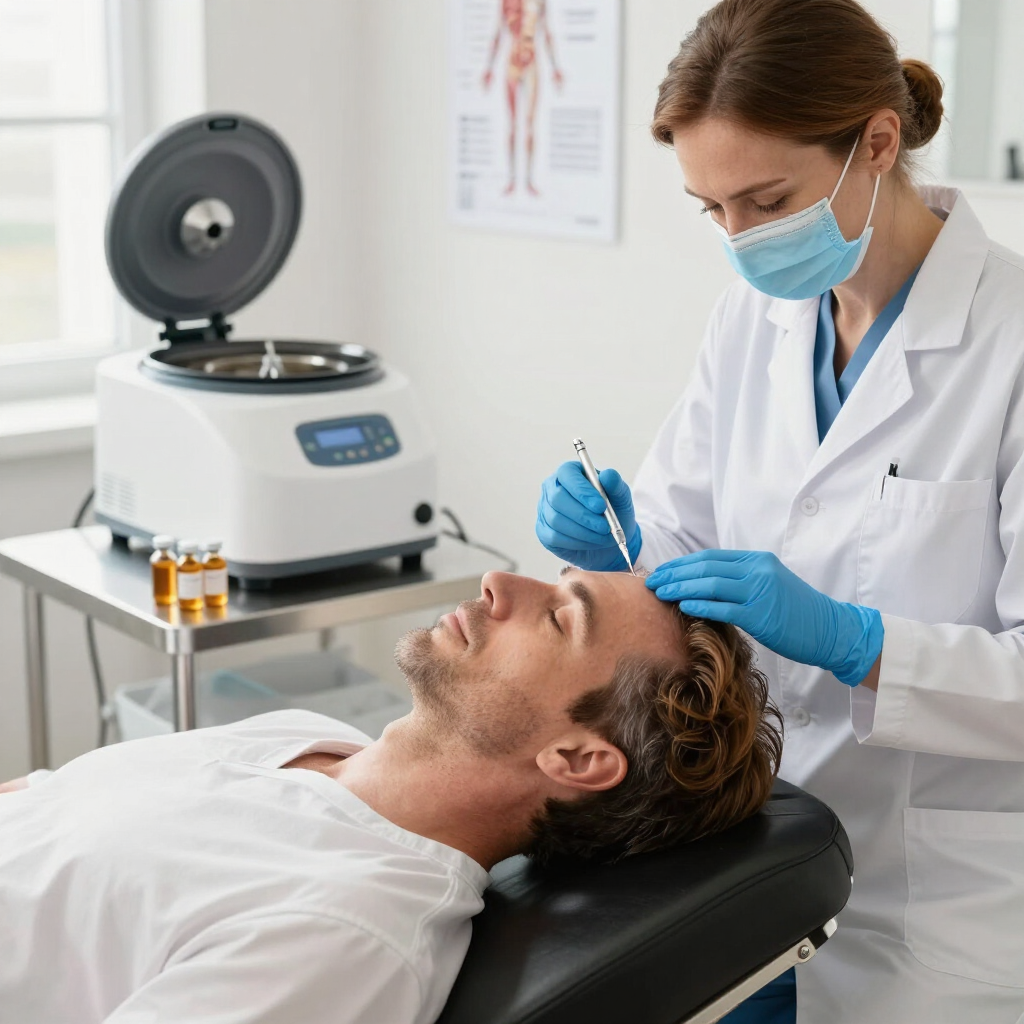
During treatment, a small sample of your blood is drawn and placed into a centrifuge. The centrifuge spins the blood at a high speed, separating the platelet-rich plasma from the other blood components. This concentrated plasma is then carefully injected into areas of the scalp experiencing hair thinning.
The growth factors released by the platelets help stimulate dormant hair follicles, improve blood supply to the scalp, and support healthier, stronger hair growth over time.
Because PRP comes from your own body, the risk of allergic reactions is extremely low.
How Does PRP Help Hair Grow?
Hair follicles naturally cycle through periods of growth, rest, and shedding. Certain factors—including genetics, aging, hormonal changes, stress, and medical conditions—can interrupt this cycle, causing follicles to shrink and produce thinner hairs.
PRP works by delivering a concentrated dose of natural growth factors directly to these weakened follicles.
Potential benefits include:
- Stimulating inactive hair follicles
- Increasing blood circulation to the scalp
- Extending the hair growth phase
- Improving follicle health
- Strengthening existing hair
- Reducing excessive shedding
Rather than replacing hair follicles, PRP helps revitalize follicles that are still alive but producing weaker hair.
Who Is a Good Candidate for PRP Hair Restoration?
PRP works best for individuals experiencing mild to moderate hair thinning rather than complete baldness.
You may be a good candidate if you have:
- Early male pattern hair loss
- Female pattern hair thinning
- Widening hair part
- Thinning around the crown
- Increased hair shedding
- Hair loss related to stress or hormonal changes
PRP tends to produce the best results when treatment begins early, before hair follicles have become permanently inactive.
Individuals with advanced baldness or extensive follicle loss may require alternative treatment options.
A consultation with an experienced medical provider is the best way to determine whether PRP is appropriate for your specific type of hair loss.
What Happens During a PRP Hair Restoration Appointment?
One of the reasons PRP has become so popular is that the procedure is relatively straightforward and requires minimal downtime.
A typical appointment includes several steps.
Step 1: Consultation
Your provider evaluates your scalp, discusses your medical history, reviews your hair loss pattern, and develops a customized treatment plan.
Step 2: Blood Draw
A small amount of blood is collected, similar to a routine laboratory test.
Step 3: Preparing the PRP
The blood sample is processed in a centrifuge, separating the platelet-rich plasma from the other blood components.
Step 4: Scalp Injections
After cleaning the treatment area, the PRP is injected into targeted areas of the scalp using very small needles.
Most appointments take approximately 45 to 60 minutes from start to finish.
Is PRP Hair Restoration Painful?
Most patients describe the procedure as very manageable.
The blood draw feels similar to routine blood work, while the scalp injections may cause mild pressure or brief discomfort.
Depending on the treatment area and your sensitivity, a topical numbing agent may be used to improve comfort.
After treatment, it's common to experience mild tenderness or slight redness for a day or two.
Most patients return to work and normal daily activities shortly after their appointment.
When Will I See Results?
One of the most important things to understand about PRP hair restoration is that results take time.
Hair grows slowly, and PRP works by improving follicle function rather than creating immediate cosmetic changes.
While every patient is different, many notice the following timeline:
First Month
Some patients experience reduced shedding as hair follicles respond to treatment.
Months Two to Three
New hairs may begin growing, and existing hair often feels thicker and healthier.
Months Four to Six
Improved density and fuller coverage become increasingly noticeable.
Hair continues improving gradually as the follicles complete their natural growth cycle.
Consistency is key. Most providers recommend an initial series of treatments followed by periodic maintenance sessions to help sustain results.
How Many PRP Treatments Will I Need?
Treatment recommendations vary based on the severity of hair loss, age, genetics, and treatment goals.
Many patients begin with three to four sessions spaced approximately four to six weeks apart.
After completing the initial series, maintenance treatments are often recommended every six to twelve months.
Regular follow-up appointments help maintain follicle activity and support long-term improvements.
Benefits of PRP Hair Restoration
PRP offers several advantages that make it appealing to patients seeking non-surgical hair restoration.
Some of the most significant benefits include:
- Uses your body's own natural healing factors
- Minimally invasive
- Little to no downtime
- No surgical incisions
- Suitable for both men and women
- Can improve hair thickness and density
- Low risk of allergic reaction
- Complements other hair restoration treatments
Many patients appreciate that PRP enhances existing hair rather than creating an artificial appearance.
Are There Any Risks?
PRP is considered a very safe procedure when performed by qualified medical professionals.
Since the plasma comes from your own blood, complications related to allergic reactions are uncommon.
Some temporary side effects may include:
- Mild swelling
- Tenderness
- Minor bruising
- Temporary redness
- Slight scalp sensitivity
These effects usually resolve within a few days.
Choosing an experienced provider helps minimize risks while ensuring the treatment is performed safely and effectively.
PRP vs. Hair Transplant: What's the Difference?
Although both treatments address hair loss, they serve different purposes.
PRP restores and strengthens existing hair follicles, making it ideal for patients in the earlier stages of hair thinning.
Hair transplantation involves surgically relocating healthy follicles from one area of the scalp to another. It is often recommended for individuals with more advanced hair loss where follicles are no longer active.
Some patients even choose to combine both treatments, using PRP before or after a hair transplant to support healing and improve overall hair quality.
Tips for Maximizing Your PRP Results
To help your hair respond as effectively as possible, your provider may recommend:
- Following all post-treatment instructions carefully
- Eating a balanced diet rich in protein and essential nutrients
- Managing stress whenever possible
- Avoiding smoking
- Maintaining a healthy scalp care routine
- Attending recommended maintenance appointments
Patience is equally important. Hair restoration is a gradual process, and the best results typically appear over several months.
Why Patients in Rego Park Trust ZBeauté Aesthetics
At ZBeauté Aesthetics, we understand that hair loss is personal. Our goal isn't simply to perform a procedure—it's to develop an individualized treatment plan that addresses your unique concerns and helps you achieve healthier, fuller-looking hair.
Patients throughout Rego Park, Forest Hills, Kew Gardens, Middle Village, Elmhurst, Fresh Meadows, and surrounding Queens communities trust our experienced team because we combine advanced medical treatments with personalized care in a welcoming environment.
Every consultation begins with listening to your concerns, evaluating your scalp health, and recommending solutions based on your needs rather than a one-size-fits-all approach.
Frequently Asked Questions
Does PRP really work for hair loss?
PRP has shown promising results for many patients experiencing early to moderate hair thinning. While individual outcomes vary, many people notice reduced shedding, thicker hair, and improved density after completing a recommended treatment series.
Is PRP permanent?
No. PRP helps stimulate existing hair follicles, but maintenance treatments are usually recommended to support long-term results.
Can women receive PRP hair restoration?
Yes. PRP is commonly used to treat female pattern hair thinning as well as male pattern hair loss.
Is there any downtime after treatment?
Most patients return to normal activities the same day. Mild tenderness or redness typically resolves within a day or two.
Can PRP be combined with other treatments?
Yes. Depending on your individual needs, PRP may be combined with other hair restoration therapies as part of a comprehensive treatment plan.
Restore Your Confidence with Personalized Hair Restoration
Hair thinning doesn't have to define how you feel about your appearance. PRP hair restoration offers a natural, minimally inv
asive option for many individuals looking to improve hair thickness, reduce shedding, and support healthier follicle function without surgery.
At ZBeauté Aesthetics, we're committed to helping every patient receive honest guidance and personalized care based on their unique goals. If you've started noticing thinning hair or increased shedding, scheduling a consultation is the first step toward understanding your options and determining whether PRP hair restoration is right for you.